

Understanding the Differences Between an S Corporation and a C Corporation

Choosing the right corporate structure is one of the most important decisions a business owner can make. Among the most common options are S Corporations and C Corporations. While both are formed under state law as corporations and provide limited liability protection to their owners, they differ significantly in terms of taxation, ownership restrictions, and operational flexibility.This article explores the key differences between S Corporations and C Corporations, helping business owners understand which structure may best support their long-term goals. Corporate Structure and State Law At the most basic level, both S Corporations and C Corporations begin the same way: they are created by filing Articles of Incorporation with the appropriate Secretary of State. Whether a business is based in North Carolina, South Carolina, or Tennessee, the process of incorporating and gaining limited liability protection remains largely the same. Both entity types are eligible for favorable provisions such as Internal Revenue Code § 1244, which allows shareholders to deduct losses on qualifying small business stock.The distinction between S Corps and C Corps arises not from state law, but from how the business elects to be treated for federal tax purposes under the Internal Revenue Code. Tax Treatment: The Core Distinction The most significant difference between an S Corporation and a C Corporation lies in their federal taxation.C Corporations are subject to “double taxation.” The corporation pays tax on its profits, and shareholders must also pay tax on dividends they receive. For companies expecting to retain earnings or reinvest profits for growth, this can be a manageable outcome, but it does reduce overall tax efficiency in many small business contexts.S Corporations, on the other hand, are pass-through entities for tax purposes. This means the corporation itself does not pay federal income tax. Instead, profits (and losses) “pass through” to shareholders, who report them on their personal tax returns. This avoids double taxation and often results in a lower overall tax burden, especially when selling assets or distributing earnings.However, to make an S election, a corporation must meet specific eligibility criteria. Eligibility Requirements for S Corporations Not every corporation can elect to be an S Corporation. To qualify, a business must be a “small business corporation” as defined by the Internal Revenue Code. Among other things, the corporation must: Have no more than 100 shareholders; Issue only one class of stock; Be owned only by eligible shareholders, which includes individuals, certain trusts, and estates, but not partnerships or foreign entities. These limitations can make the S Corporation structure ideal for closely-held businesses, but impractical for startups planning multiple rounds of complex financing or diverse equity arrangements. Advantages of the C Corporation While S Corporations offer tax simplicity for small businesses, C Corporations provide greater flexibility in raising capital and structuring ownership. They can issue multiple classes of stock, each with its own voting and dividend rights. This is a crucial tool for companies attracting outside investors, structuring founder shares, or setting up employee equity plans.Additionally, C Corporations can offer a broader range of fringe benefits to employees, including health insurance and retirement plans, without those benefits being taxed as compensation to shareholder-employees. These benefits often make the C Corporation a more attractive choice for businesses looking to scale operations or build larger teams. Twisdale Law, PC and Corporate Structuring Services At Twisdale Law, PC, we assist business owners across North Carolina, South Carolina, and Tennessee in selecting and maintaining the corporate structure that aligns with their goals. Whether you are forming a new entity or considering a change to an existing company’s tax election, our firm is equipped to guide you through the process.We routinely help clients navigate S Corporation elections, shareholder agreements, and state compliance requirements, ensuring that their business structure supports both legal protection and long-term planning.If you’re forming a business or considering whether to elect S Corporation status, it’s critical to understand the legal and tax implications of each structure. Twisdale Law, PC provides clear, strategic counsel to businesses across the Carolinas and Tennessee.Contact us today to schedule a consultation and learn how your business can benefit from the right corporate structure. Receive the latest news in your email Subscribe today You have been successfully Subscribed! Ops! Something went wrong, please try again. Table of Content Corporate Structure and State Law Tax Treatment: The Core Distinction Eligibility Requirements for S Corporations Advantages of the C Corporation Twisdale Law, PC and Corporate Structuring Services Related articles All Posts Business Case Law Mergers & Acquisitions North Carolina Business Patents South Carolina Business Tennessee Business Trademark Patents Plant Patents: Protecting New Plant Varieties Under U.S. Law July 2, 2025 Business Understanding the Differences Between an S Corporation and a C Corporation July 1, 2025 Case Law When Reaction Goes Too Far? Ethan Klein’s Lawsuits Against Kaceytron and Denims Raise Big Questions for Streamers June 23, 2025 Trademark Municipal Trademarks: How Cities Are Using the USPTO to Protect Their Brands March 25, 2025 Case Law The Thaler v. Perlmutter Decision: What It Means for AI, Copyright, and Your Business March 19, 2025 Case Law, Trademark Supreme Court Overrules Fourth Circuit on Lanham Act Profit Disgorgement February 26, 2025 South Carolina Business Setting Up an LLC in South Carolina February 17, 2025 Trademark How to Challenge a Pending Trademark Application? January 18, 2025
Understanding the Difference Between a Corporate Name and Trade Name

When starting a business, choosing the right name is a critical step. However, it’s important to understand the difference between two types of names that are essential for your business: the corporate name and the trade name (also known as a “doing business as” or DBA name). While these terms may sound similar, they represent distinct legal concepts with different implications under both state and trademark law. At Twisdale Law, PC, we assist business owners across North Carolina, South Carolina, and Tennessee in navigating the complexities of business law, including the intricacies of corporate and trade names. Here’s what you need to know about the difference between these names and how they relate to trademark law. Corporate Name: Legal Identification of Your Business Your corporate name is the official name under which your business is incorporated with the state. This is the name you’ll use in legal documents, contracts, and formal proceedings. When you register your corporation with the state, the state checks if another company is already using the same name within its jurisdiction. If the name is available, your incorporation paperwork is accepted. However, registering a corporate name with the state only gives you legal recognition within that state. It does not provide exclusive rights to use that name in commerce, nor does it prevent someone else from using a similar name in other states. The key point here is that state incorporation procedures do not offer the same protections as trademark law does. Contact Twisdale Law, PC for Your Business Needs Today! Trade Name: How Your Business is Recognized in the Marketplace The trade name (or DBA name) is the name your business uses in commerce—how your customers and clients recognize your brand. For example, if your corporate name is “XYZ Enterprises, Inc.” but you operate under the name “XYZ Consulting,” “XYZ Consulting” is your trade name. Unlike the corporate name, which is registered with the state, the trade name is primarily governed by trademark law. Trademark law protects the use of names, logos, and other identifiers that distinguish your goods or services in the marketplace. This means that even if your state has accepted your corporate name, you may still face restrictions on your ability to use a trade name if another business holds the trademark for that name. Key Differences Between Corporate and Trade Names State Registration vs. Trademark Protection A corporate name is only protected by the state in which your business is incorporated. The state ensures no other corporation can use the same name within its jurisdiction. A trade name is protected under federal trademark law, meaning it can give you exclusive rights to use that name nationwide in commerce, provided the trademark is registered. Jurisdiction Your corporate name is only protected in the state where you are incorporated. Therefore, you could have two businesses with the same corporate name, one in South Carolina and one in Tennessee, without infringing on one another’s rights. Your trade name, however, is protected either in your geographic region or across the entire U.S. once it is registered as a trademark. This means that if someone else already owns the trademark for the name you wish to use, you may be prohibited from using it, even in your state. Incorporation Doesn’t Grant Trademark Rights It’s crucial to understand that even if you’ve successfully incorporated your business under a particular name, this doesn’t give you the right to use that name in commerce. Incorporation merely establishes your business as a legal entity—it does not provide the same level of protection as trademark registration. A key case illustrating this distinction is Thrifty Rent-A-Car System, Inc. v. Thrifty Auto Sales of Charleston, Inc., 849 F. Supp. 1091 (D.S.C. 1993). In this case, a South Carolina business incorporated as “Thrifty Auto Sales of Charleston, Inc.” was enjoined (legally prohibited) from using the name due to a trademark conflict with the national “Thrifty” car rental company. The state incorporation of the business did not grant them the right to use the name in commerce because “Thrifty” was already protected under trademark law. What You Need to Know if You Are Facing Trademark Infringement If you’ve recently learned that someone is claiming your business is infringing on their trademark, it’s important to understand how trademark law works. The use of a name that is confusingly similar to an existing trademark can lead to a legal dispute, especially if both businesses operate in the same or related fields. In such a case, you may be forced to rebrand your business and cease using the name. To prevent this from happening, it’s advisable to conduct a thorough trademark search before settling on a business name, especially if you plan to expand your business outside of your home state. Protect Your Business with Trademark Registration The best way to protect your business name is to file for trademark protection with the U.S. Patent and Trademark Office (USPTO). Federal trademark registration grants you exclusive rights to use your trade name nationwide, reducing the likelihood of conflict with other businesses. If you’ve already incorporated your business but haven’t registered your trade name as a trademark, it’s important to consult with an attorney who specializes in intellectual property law. At Twisdale Law, PC, we can assist you with trademark searches, filings, and legal strategies to ensure that your business name is protected from potential conflicts. How Twisdale Law Can Help At Twisdale Law, PC, we provide comprehensive legal services for businesses in North Carolina, South Carolina, and Tennessee. If you’re concerned about potential trademark infringement or need assistance in protecting your business name, we are here to help. Our experienced attorneys can guide you through the process of trademark registration, advise you on how to avoid infringement, and help resolve disputes if necessary. If you are concerned that your corporate or trade name may infringe on another business’s trademark, or if you need assistance navigating the complexities of business naming, contact Twisdale Law, PC today. We’re dedicated to
Part 6-Critical Importance of Proper Equipment Cleaning Series: Concluding Thoughts on Ensuring Safety Through Proper Equipment Cleaning

The failure to properly clean shared equipment, whether gym equipment or consumer electronics, can have catastrophic consequences for both users and companies. From infections linked to duodenoscopes to potential risks in Fitness Equipment and VR headsets, the message is clear: safety must be a priority. By implementing robust cleaning protocols, designing safer products, and educating users, companies can not only protect their customers but also safeguard their reputations and bottom lines. Ignoring these responsibilities invites legal actions and damages that far outweigh the costs of prevention. Legal and Financial Implications Negligence in equipment cleaning and maintenance is not just a health risk but also a substantial legal liability. Companies like Olympus have faced lawsuits resulting in millions of dollars in settlements, demonstrating the heavy financial toll of inadequate cleaning protocols. Cases like Warner v. Olympus America, Inc. and Young v. Olympus America, Inc. highlight the legal complexities and financial damage that can arise from neglecting equipment cleanliness, even when the damage is simply facing expensive lawsuits. These legal challenges are compounded by reputational damage, which can be difficult, if not impossible, to repair. Proactive Measures to Mitigate Risks with Twisdale Law To safeguard against these risks, companies must adopt proactive measures that prioritize user safety and compliance. Partnering with a legal team with the skills to effectively advise your business, like Twisdale Law, can significantly enhance a company’s ability to navigate these challenges effectively. Here are the key steps that every organization should consider, supported by Twisdale Law’s experience: Designing for Cleanability: With Twisdale Law’s guidance, equipment can be designed with cleanability in mind, minimizing areas where contaminants can hide. Legal insights can drive the use of materials and designs that facilitate thorough cleaning and sterilization. Providing Clear Guidelines: Twisdale Law can help develop comprehensive cleaning and maintenance instructions for users and third-party operators. Clear guidelines, crafted with legal precision, ensure that everyone involved understands and can execute the necessary cleaning protocols. Conducting Regular Inspections: Routine checks, supported by Twisdale Law, are vital to verify compliance with cleaning protocols and identify potential hazards early. Their legal expertise ensures inspections meet regulatory standards. Investing in User Education: Educating staff and consumers about proper cleaning procedures and the risks of neglect is crucial. Twisdale Law offers training programs that enhance awareness and ensure informed adherence to hygiene standards. Monitoring Emerging Risks: Twisdale Law helps companies stay informed about new health threats and update cleaning protocols accordingly. This proactive approach, backed by legal insights, prepares companies to address new challenges as they arise. Conclusion The failure to properly clean shared equipment poses significant risks to both users and companies. By implementing robust cleaning protocols, designing safer products, and educating users, companies can protect their customers and safeguard their reputations and bottom lines. Ignoring these responsibilities invites legal actions and damages that far outweigh the costs of prevention. Companies that prioritize user safety through effective cleaning measures, with the support of Twisdale Law, not only mitigate legal and financial risks but also foster trust and reliability, ensuring long-term success and sustainability in their operations. Partnering with Twisdale Law will ensure that your business is resilient, compliant, and prepared to face the challenges of maintaining high hygiene standards in shared equipment environments. Receive the latest news in your email Subscribe today You have been successfully Subscribed! Ops! Something went wrong, please try again. Table of Content Legal and Financial Implications Proactive Measures to Mitigate Risks with Twisdale Law Conclusion Related articles All Posts Business Case Law Mergers & Acquisitions North Carolina Business Patents South Carolina Business Tennessee Business Trademark Patents Plant Patents: Protecting New Plant Varieties Under U.S. Law July 2, 2025 Business Understanding the Differences Between an S Corporation and a C Corporation July 1, 2025 South Carolina Business Understanding the South Carolina Solicitation of Charitable Funds Act: A Guide by Twisdale Law, PC June 23, 2025 Case Law When Reaction Goes Too Far? Ethan Klein’s Lawsuits Against Kaceytron and Denims Raise Big Questions for Streamers June 23, 2025 Patents The Patent Application Process June 18, 2025 South Carolina Business Navigating Mergers in South Carolina: A Guide by Twisdale Law, PC June 16, 2025 South Carolina Business Dissolving a Nonprofit Corporation in South Carolina: A Guide by Twisdale Law, PC June 9, 2025 Patents What Is a Patent? A Plain-English Guide for Small Businesses and Inventors June 3, 2025 South Carolina Business How to Establish a Nonprofit in South Carolina: A Guide by Twisdale Law, PC June 2, 2025
Foreign Corporations Entering South Carolina
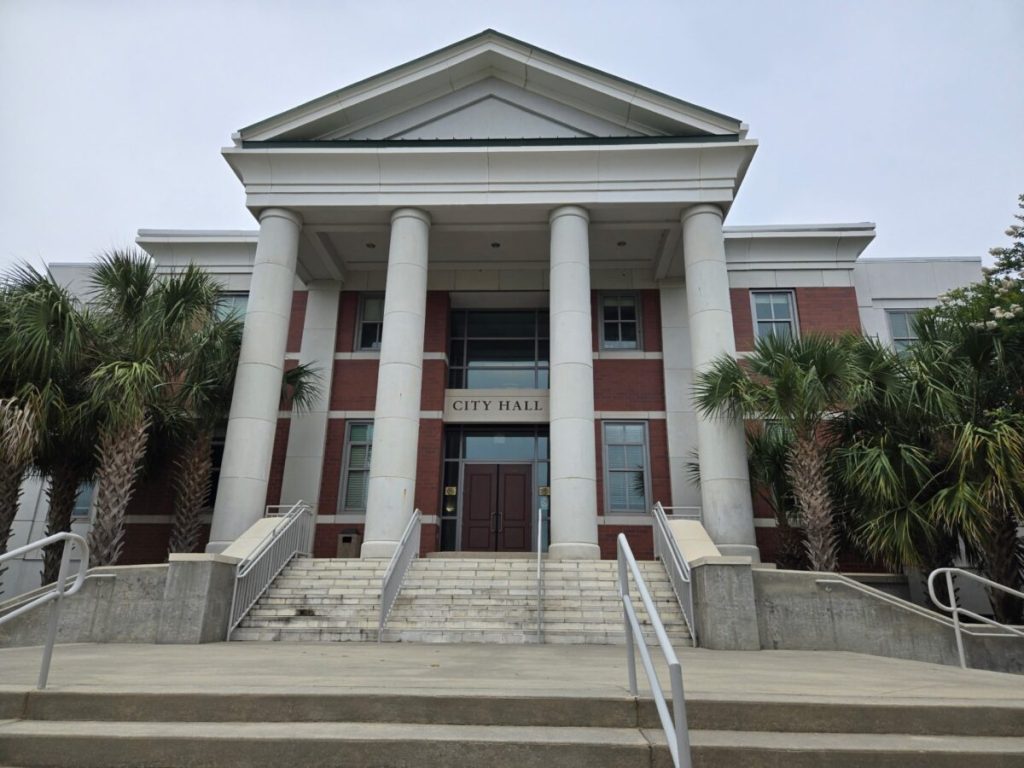
Should Your Business File as a Foreign Entity in South Carolina? As Twisdale Law, PC expands its presence across the Southeast, businesses operating across multiple states often face the question: Should we register as a foreign entity in South Carolina? The answer depends on various legal and strategic factors, particularly how South Carolina law treats foreign corporations and LLCs. What Constitutes “Transacting Business” in South Carolina? Under S.C. Code § 33-15-101, a foreign corporation may not transact business in South Carolina until it obtains a certificate of authority from the Secretary of State. However, not all activities constitute “transacting business.” Certain activities, such as maintaining a bank account or conducting internal corporate affairs, do not require registration. What Are the Consequences of Not Registering? Inability to Maintain a Lawsuit: Under S.C. Code § 33-15-150, an unregistered foreign corporation may not bring a lawsuit in South Carolina courts. Civil Penalties: A business operating without registration is subject to fines and back fees. Personal Liability Risks: Officers and agents of an unregistered business may face additional risks when dealing with contracts or disputes in the state. Does Registration Create Personal Jurisdiction? A key concern for foreign entities is whether filing a certificate of authority subjects them to personal jurisdiction in South Carolina. Courts have recently clarified this issue: In Fidrych v. Marriott Int’l, Inc., 952 F.3d 124 (4th Cir. 2020), the Fourth Circuit held that merely registering as a foreign corporation does not constitute consent to general jurisdiction in South Carolina. The court ruled that South Carolina law does not explicitly state that foreign entities consent to lawsuits unrelated to their in-state activities. Similarly, in Maseng v. Lenox Corp., 483 F. Supp. 3d 360 (D.S.C. 2020), the court reaffirmed that minimum contacts are required for personal jurisdiction, and registration alone is insufficient. Exemptions from Registration Certain business activities do not require foreign qualification. S.C. Code § 33-15-101(b) provides a list of exempt activities, such as: Holding director or shareholder meetings. Defending or settling a lawsuit. Selling through independent contractors. Creating or acquiring debt. Strategic Considerations for Twisdale Law, PC Given Twisdale Law, PC’s operations in multiple states, the decision to register in South Carolina should weigh the following factors: Contract Enforcement: If your firm plans to enter into long-term agreements in South Carolina, registration may provide stronger legal footing. Litigation Strategy: If litigation is a foreseeable concern, registration ensures access to South Carolina courts. Tax & Compliance Costs: Foreign registration entails additional fees and compliance obligations, such as annual reports and registered agent requirements. Final Thoughts While registration as a foreign entity in South Carolina is legally required for companies transacting business in the state, it does not automatically subject the entity to general jurisdiction for all lawsuits. Instead, courts will evaluate jurisdiction based on specific business activities within the state. Twisdale Law, PC can assist businesses in assessing their registration requirements, mitigating risks, and ensuring compliance with South Carolina corporate law.If you have questions about your business’s status in South Carolina, contact Twisdale Law, PC today for legal guidance tailored to your needs. Receive the latest news in your email Subscribe today You have been successfully Subscribed! Ops! Something went wrong, please try again. Table of Content Should Your Business File as a Foreign Entity in South Carolina? What Constitutes “Transacting Business” in South Carolina? What Are the Consequences of Not Registering? Does Registration Create Personal Jurisdiction? Exemptions from Registration Strategic Considerations for Twisdale Law, PC Final Thoughts Related articles All Posts Business Case Law Mergers & Acquisitions North Carolina Business Patents South Carolina Business Tennessee Business Trademark Patents Plant Patents: Protecting New Plant Varieties Under U.S. Law July 2, 2025 Business Understanding the Differences Between an S Corporation and a C Corporation July 1, 2025 South Carolina Business Understanding the South Carolina Solicitation of Charitable Funds Act: A Guide by Twisdale Law, PC June 23, 2025 Case Law When Reaction Goes Too Far? Ethan Klein’s Lawsuits Against Kaceytron and Denims Raise Big Questions for Streamers June 23, 2025 Patents The Patent Application Process June 18, 2025 South Carolina Business Navigating Mergers in South Carolina: A Guide by Twisdale Law, PC June 16, 2025 South Carolina Business Dissolving a Nonprofit Corporation in South Carolina: A Guide by Twisdale Law, PC June 9, 2025 Patents What Is a Patent? A Plain-English Guide for Small Businesses and Inventors June 3, 2025 South Carolina Business How to Establish a Nonprofit in South Carolina: A Guide by Twisdale Law, PC June 2, 2025
Part 5-Critical Importance of Proper Equipment Cleaning Series: Steps for Companies to Mitigate Risks

The case of Stahle v. CTS Corp., 817 F.3d 96 (4th Cir. 2016) serves as a pivotal reminder of the long-term implications of environmental contamination and the complex legal landscapes surrounding disease claims. This scenario bears significant relevance not only to the VR industry, but also to other sectors where shared equipment is prevalent, such as fitness centers and office environments. In Stahle’s case, North Carolina General Statutes Section 1–52(16), which includes a statute of repose limiting personal injury claims to within ten years of the defendant’s last act, was central. Kent Stahle, diagnosed with leukemia decades after alleged exposure to toxic chemicals released by CTS Corporation, challenged the application of this statute to disease claims. The appellate court predicted that the Supreme Court of North Carolina would not apply Section 1–52(16) to such claims, recognizing the distinction between latent injuries and diseases with inherently delayed onset.This legal backdrop offers a cautionary tale for industries like VR, fitness, and corporate offices. Just as environmental negligence led to significant legal challenges in Stahle’s case, the failure to properly disinfect shared equipment, such as VR headsets, gym equipment, and office tools, could result in similar liabilities. Users often assume these devices meet rigorous cleaning standards, but misconceptions about disinfection practices can lead to ineffective hygiene protocols. Industries must recognize these devices as potential disease vectors and prioritize comprehensive cleaning measures to mitigate risks.Twisdale Law is dedicated to helping businesses across these sectors navigate complex legal territories. With strategic offices in North Carolina, South Carolina, and Tennessee, we offer support to companies nationwide. By providing expert guidance on compliance and quality control, we help businesses implement robust cleaning protocols and prevent unnecessary lawsuits. Our pro bono services are available to those seeking remedies for latent disease claims, ensuring that affected individuals have access to justice. Partner with Twisdale Law to safeguard your business against potential legal challenges and protect your reputation. Contact us today to ensure your operations are resilient and legally sound across all platforms. Receive the latest news in your email Subscribe today You have been successfully Subscribed! Ops! Something went wrong, please try again. Related articles All Posts Business Case Law Mergers & Acquisitions North Carolina Business Patents South Carolina Business Tennessee Business Trademark Patents Plant Patents: Protecting New Plant Varieties Under U.S. Law July 2, 2025 Business Understanding the Differences Between an S Corporation and a C Corporation July 1, 2025 South Carolina Business Understanding the South Carolina Solicitation of Charitable Funds Act: A Guide by Twisdale Law, PC June 23, 2025 Case Law When Reaction Goes Too Far? Ethan Klein’s Lawsuits Against Kaceytron and Denims Raise Big Questions for Streamers June 23, 2025 Patents The Patent Application Process June 18, 2025 South Carolina Business Navigating Mergers in South Carolina: A Guide by Twisdale Law, PC June 16, 2025 South Carolina Business Dissolving a Nonprofit Corporation in South Carolina: A Guide by Twisdale Law, PC June 9, 2025 Patents What Is a Patent? A Plain-English Guide for Small Businesses and Inventors June 3, 2025 South Carolina Business How to Establish a Nonprofit in South Carolina: A Guide by Twisdale Law, PC June 2, 2025
Understanding Foreign Corporations in North Carolina: Registration, Compliance, and Legal Consequences

Businesses that are incorporated in another state but conduct business in North Carolina are considered foreign corporations under state law. These entities are required to comply with North Carolina’s statutory framework governing foreign corporations, including obtaining a Certificate of Authority from the Secretary of State. This article provides an overview of the requirements for foreign corporations, the legal consequences of failing to register, and key court decisions interpreting these rules. What Constitutes “Transacting Business” in North Carolina? The question of whether a foreign corporation is “transacting business” in North Carolina is a question of fact that must consider the totality of the circumstances rather than a fixed set of rules. Courts examine whether the foreign corporation is engaging in activities that align with its corporate purpose within the state. In Ivy River Land & Timber Co. v. National Fire & Marine Ins. Co., the court held that a corporation must be “engaging in, carrying on, or exercising, in this State, some of the things, or some of the functions, for which the corporation was created.” 192 N.C. 115, 133 S.E. 424 (1926). However, isolated or sporadic transactions without “some degree of continuity” do not trigger the registration requirement. Parris v. H.G. Fischer & Co., 219 N.C. 292, 298 (1941). North Carolina G.S. 55-15-01(b) enumerates eleven activities that do not constitute transacting business, including but not limited to: Maintaining or defending a lawsuit Holding directors’ or shareholders’ meetings Maintaining bank accounts Selling through independent contractors Conducting an isolated transaction completed within 30 days Foreign corporations should carefully assess whether their activities fall under these exemptions to determine whether registration is required. Let Us Help Safeguard Your Business! Legal Consequences for Failing to Register Under N.C. G.S. 55-15-02, foreign corporations that transact business in North Carolina without obtaining a Certificate of Authority face two primary sanctions: Inability to Maintain Legal Action. A noncompliant foreign corporation is barred from maintaining any action or proceeding in any North Carolina court unless it obtains a Certificate of Authority prior to trial. See Spivey & Self, Inc. v. Highview Farms, Inc., 110 N.C. App. 719, 431 S.E.2d 535, review denied, 334 N.C. 623, 435 S.E.2d 342 (1993). This means that an unregistered corporation may find itself unable to enforce contracts or seek legal remedies until it corrects its status. Additionally, courts have held that this defense must be raised in a pretrial motion, or else the issue is deemed waived. The decision in Renfinity, Inc. v. Jones, Civil Action No. 3:20-CV-00422-KDB-DSC (W.D. N.C. 2022), underscores this requirement. In that case, defendants argued that the plaintiff lacked a Certificate of Authority, but because the issue was not timely raised, it could not serve as a defense to dismissal. Financial Penalties. An unregistered foreign corporation is liable for: All fees and taxes that should have been imposed, plus interest and penalties. A civil penalty of $10 per day for each day of violation, not to exceed $1,000 per year. G.S. 55-15-02(d)). These financial penalties can accumulate quickly, making compliance an important consideration for any business operating in North Carolina. Practical Considerations for Businesses If a foreign corporation is unsure whether its activities require registration, it should consult a qualified attorney such as Twisdale Law, PC. The costs of compliance are far lower than the risks of legal and financial penalties. Key steps include: Evaluate Business Activities – Determine whether the corporation is “transacting business” under North Carolina law. File for a Certificate of Authority – Submit the necessary paperwork with the North Carolina Secretary of State. Maintain Compliance – Ensure ongoing adherence to tax and reporting obligations. Conclusion Foreign corporations doing business in North Carolina must carefully assess whether they need a Certificate of Authority to operate legally. Failure to register can lead to substantial legal and financial consequences, including the inability to bring legal claims and accruing penalties. By proactively seeking compliance, businesses can protect their operations and avoid costly pitfalls. For legal guidance on foreign corporation compliance in North Carolina, contact Twisdale Law, PC today. Receive the latest news in your email Subscribe today You have been successfully Subscribed! Ops! Something went wrong, please try again. Table of Content What Constitutes “Transacting Business” in North Carolina? Let Us Help Safeguard Your Business! Conclusion Related articles All Posts Business Case Law Mergers & Acquisitions North Carolina Business Patents South Carolina Business Tennessee Business Trademark Patents Plant Patents: Protecting New Plant Varieties Under U.S. Law July 2, 2025 Business Understanding the Differences Between an S Corporation and a C Corporation July 1, 2025 South Carolina Business Understanding the South Carolina Solicitation of Charitable Funds Act: A Guide by Twisdale Law, PC June 23, 2025 Case Law When Reaction Goes Too Far? Ethan Klein’s Lawsuits Against Kaceytron and Denims Raise Big Questions for Streamers June 23, 2025 Patents The Patent Application Process June 18, 2025 South Carolina Business Navigating Mergers in South Carolina: A Guide by Twisdale Law, PC June 16, 2025 South Carolina Business Dissolving a Nonprofit Corporation in South Carolina: A Guide by Twisdale Law, PC June 9, 2025 Patents What Is a Patent? A Plain-English Guide for Small Businesses and Inventors June 3, 2025 South Carolina Business How to Establish a Nonprofit in South Carolina: A Guide by Twisdale Law, PC June 2, 2025
Part 4-Critical Importance of Proper Equipment Cleaning Series: Cleaning Gym Equipment

For gym owners and operators of other facilities with shared equipment, the lessons from Young v. Olympus Am., Inc., No. 07-2547-STA (W.D. Tenn. Jan. 26, 2012) provide a critical warning. In the case of Young, the court ruled that the consumer expectation test was not applicable because ordinary consumers lacked knowledge about the essential cleaning protocols required for medical equipment to prevent infections. This highlights a significant issue for gyms and similar facilities: patrons often do not possess an understanding of the meticulous cleaning and disinfection standards necessary to ensure safety and prevent the spread of germs and infections between users.Courts such as in Tennessee apply a standard called the consumer expectation test involving familiar products. See Jackson v. Gen. Motors Corp., 60 S.W.3d 800, 806 (Tenn. 2001). The test is focused on products where the basic function and design are well understood by the general public. However, the test has been deemed inappropriate for more complex or specialized tools and equipment, such as novel automotive repair tools (Coffey v. Dowley Mfg., Inc., 89 Fed.Appx. 927, 929-30), car radiators (Simpson v. O’Reilly Auto. Stores, Inc., 2014 WL 11514969, at *6), medical bronchoscopes (Young, 2012 WL 252645, at *5-6), metal restraint rods on complex amusement park rides (Alexander v. Zamperla, 2010 WL 3385141, at *2, 7), industrial forklifts (Brown v. Raymond Corp., 432 F.3d 640, 642, 644-45), and boom truck cranes (Johnson v. Manitowoc Boom Trucks, Inc., 406 F.Supp.2d 852, 857-58). These cases illustrate that for products requiring specialized knowledge, the prudent manufacturer test is more appropriate.In gym settings, where equipment is frequently shared and comes into direct contact with multiple users, your average consumer might reasonably expect cleanliness as the risk of transmitting infections is particularly high. Without clear and effective cleaning protocols in place, gyms could face substantial liability risks if patrons become ill due to inadequately sanitized equipment. The expectation that users inherently understand the need for rigorous hygiene practices is often misplaced, making the establishment of stringent cleaning protocols not just advisable, but essential.To protect your business from these potential liabilities, consider partnering with Twisdale Law. Our firm is strategically positioned with offices in North Carolina, South Carolina, and Tennessee offering comprehensive legal guidance tailored to the needs of businesses operating in environments with shared-use equipment. Our experienced legal team can assist you in developing and implementing robust cleaning protocols that meet industry standards and regulatory requirements. We also provide training and education to ensure that your staff and patrons understand and adhere to these practices.By collaborating with Twisdale Law, you can proactively identify and mitigate risks, thereby safeguarding your business against costly legal challenges and enhancing your facility’s reputation for safety and reliability. Our expertise in navigating complex legal landscapes ensures that you are well-equipped to address potential liabilities and maintain compliance with health and safety standards. Let us help you build a resilient operation that prioritizes the well-being of your customers and the sustainability of your business. Receive the latest news in your email Subscribe today You have been successfully Subscribed! Ops! Something went wrong, please try again. Related articles All Posts Business Case Law Mergers & Acquisitions North Carolina Business Patents South Carolina Business Tennessee Business Trademark Patents Plant Patents: Protecting New Plant Varieties Under U.S. Law July 2, 2025 Business Understanding the Differences Between an S Corporation and a C Corporation July 1, 2025 South Carolina Business Understanding the South Carolina Solicitation of Charitable Funds Act: A Guide by Twisdale Law, PC June 23, 2025 Case Law When Reaction Goes Too Far? Ethan Klein’s Lawsuits Against Kaceytron and Denims Raise Big Questions for Streamers June 23, 2025 Patents The Patent Application Process June 18, 2025 South Carolina Business Navigating Mergers in South Carolina: A Guide by Twisdale Law, PC June 16, 2025 South Carolina Business Dissolving a Nonprofit Corporation in South Carolina: A Guide by Twisdale Law, PC June 9, 2025 Patents What Is a Patent? A Plain-English Guide for Small Businesses and Inventors June 3, 2025 South Carolina Business How to Establish a Nonprofit in South Carolina: A Guide by Twisdale Law, PC June 2, 2025
Transacting Business in Tennessee as a Foreign Corporation: Legal Requirements and Consequences of Noncompliance

If you are a foreign corporation looking to do business in Tennessee, ensuring compliance with state registration requirements is critical. Tennessee law requires most foreign corporations to obtain a certificate of authority before transacting business within the state. Failure to comply can lead to significant legal and financial consequences, including fines, tax penalties, and even an inability to enforce contracts in Tennessee courts. At Twisdale Law, PC, we assist businesses in navigating these requirements to ensure smooth and legally sound operations in Tennessee. What Constitutes Transacting Business in Tennessee? Under Tennessee Code Annotated § 48-25-101, a foreign corporation may not transact business in Tennessee until it obtains a certificate of authority from the Secretary of State. However, certain activities do not qualify as “transacting business,” meaning a corporation does not need to register simply for: Defending or maintaining lawsuits Holding corporate board or shareholder meetings Maintaining bank accounts Selling through independent contractors Soliciting or accepting orders requiring out-of-state approval Conducting isolated transactions completed within one month Engaging in interstate commerce These exceptions provide some flexibility, but corporations should carefully evaluate whether their operations exceed these thresholds. If you are unsure whether your business activities require registration, Twisdale Law, PC can provide a compliance assessment to help you avoid unnecessary risks. Consequences of Transacting Business Without a Certificate of Authority Failing to register can have severe repercussions under Tenn. Code Ann. § 48-25-102. A foreign corporation that transacts business in Tennessee without proper authorization: Cannot maintain a lawsuit in Tennessee courts until it obtains a certificate of authority. May face treble damages and financial penalties equal to three times the fees, penalties, and taxes it would have owed had it properly registered. Must pay all back fees and penalties before the Secretary of State will process an application for a certificate of authority. While noncompliance does not invalidate contracts or prevent a corporation from defending lawsuits, the financial and legal consequences can be significant. Businesses should take proactive steps to ensure compliance before engaging in commercial activities in Tennessee. Can a Foreign Corporation Cure Noncompliance After Filing a Lawsuit? Tennessee courts have ruled that a foreign corporation can cure its failure to register after filing a lawsuit. In Sharper Impressions Painting Co. v. Yoder, No. M2015-00841-COA-R9-CV (Tenn. Ct. App. 2016), an Ohio corporation filed suit without first obtaining a certificate of authority. The trial court dismissed the action, but the Tennessee Court of Appeals reversed, holding that a foreign corporation may obtain a certificate during litigation and continue prosecuting its claims. The court relied on CPB Mgmt., Inc. v. Everly, 939 S.W.2d 78 (Tenn. Ct. App. 1996) and Am. Bldgs. Co. v. White, 640 S.W.2d 569 (Tenn. Ct. App. 1982), recognizing that once a corporation complies with the statute, it regains full access to Tennessee courts. The court also aligned with the majority rule in other jurisdictions, emphasizing that post-filing compliance is generally sufficient.However, relying on this approach is risky. Delaying registration can lead to unnecessary litigation costs, case delays, and potential penalties. Twisdale Law, PC can assist your corporation in securing compliance before litigation arises, ensuring your legal rights remain intact. Corporate Name Requirements for Foreign Corporations A foreign corporation seeking to transact business in Tennessee must also comply with Tennessee’s corporate name requirements under Tenn. Code Ann. § 48-25-106. A corporation may use: Its original corporate name (if it complies with Tennessee law); An assumed corporate name that meets state requirements; or Its corporate name with a required identifier such as “Inc.,” “Corp.,” or “Co.” The corporate name must be distinguishable from existing business entities in Tennessee. If a conflict arises, a corporation may request consent from the conflicting entity or obtain a court order permitting the use of the desired name. Additionally, if a foreign corporation undergoes a merger, reorganization, or acquisition, it may retain the name of the acquired entity.Navigating these naming requirements and business registration laws can be complex. Twisdale Law, PC provides comprehensive assistance in securing a corporate name and filing for a certificate of authority, ensuring your business is compliant from the start. Noncompliance Can Lead to Personal Liability Failure to adhere to corporate compliance requirements may not only subject a corporation to penalties but could also expose business owners to personal liability. In VP Buildings, Inc. v. Polygon Group, Inc., No. M2001-00613-COA-R3-CV (Tenn. Ct. App. 2002), the Tennessee Court of Appeals found that a foreign corporation’s failure to follow registration and compliance laws was a factor in piercing the corporate veil. This means that, in some cases, a court may disregard the corporation’s separate legal identity and hold its owners personally responsible for business debts and obligations.For business owners, this risk is avoidable with proper legal counsel. Ensuring compliance from the outset can preserve corporate protections and mitigate financial exposure. How Twisdale Law, PC Can Help Foreign corporations seeking to operate in Tennessee must navigate a complex web of regulatory requirements. From determining whether registration is necessary to securing a corporate name and filing for a certificate of authority, failing to comply with Tennessee law can result in severe penalties and legal consequences. Additionally, noncompliance may affect litigation rights and even expose business owners to personal liability.At Twisdale Law, PC, we provide strategic legal counsel to foreign corporations entering Tennessee. Our firm assists with: Determining whether your business needs a certificate of authority Registering with the Tennessee Secretary of State Ensuring your corporate name meets state requirements Avoiding costly fines, penalties, and litigation delays Mitigating risks of personal liability for business owners If you are a foreign corporation looking to do business in Tennessee, contact Twisdale Law, PC today for a consultation. Our experienced attorneys can guide you through the legal process, ensuring that your business operates in full compliance with Tennessee law. Receive the latest news in your email Subscribe today You have been successfully Subscribed! Ops! Something went wrong, please try again. Table of Content Consequences of Transacting Business Without a Certificate of Authority Can a Foreign Corporation Cure Noncompliance
Part 3-Critical Importance of Proper Equipment Cleaning Series: VR Industry

In commercial and enterprise settings, VR headsets are frequently shared among users, which significantly raises the risk of disease transmission without proper disinfection measures. Many users assume that these devices meet the same rigorous cleaning standards expected in environments like restaurants or hotels. However, this expectation is rarely met, largely due to several misconceptions and oversights. One major misunderstanding is the belief that disinfectant wipes are effective upon contact, whereas in reality, these wipes require a surface to remain wet for a specific duration, as indicated on their packaging, to effectively disinfect the targeted pathogens. This lack of awareness is compounded by insufficient training on proper disinfection techniques.Furthermore, there is a widespread belief that face covers on VR headsets provide adequate protection, if they are used at all. This misconception overlooks the fact that VR devices, due to their direct contact with the face and head, can be significant disease vectors. Even when businesses are aware of effective disinfection methods, they often choose not to implement them because of perceived costs and the time required for thorough cleaning. Additionally, the perceived inconvenience of disinfecting headsets between users often leads to neglect in maintaining hygiene standards.In certain environments, VR solution vendors are aware of these shared risks but may fail to inform buyers about necessary precautions due to concerns that the cost of mitigation might impact sales or reduce spending on their products. Similarly, vendors of VR hardware are sometimes reluctant to recommend validated disinfection systems, fearing that such suggestions might deter potential buyers. This cumulative negligence not only compromises user safety but also exposes businesses to significant legal and financial risks.For businesses leveraging VR technology, the stakes are high. The failure to recognize these devices as potential disease vectors could result in legal challenges similar to those faced by Olympus. Companies aware of effective disinfection methods but choosing not to implement them due to perceived costs may find themselves facing more significant expenses from potential lawsuits and reputational damage.Twisdale Law is here to help businesses navigate these challenges effectively. With offices strategically located in North Carolina, South Carolina, and Tennessee, we offer comprehensive legal support to companies across the United States. Our experienced legal team has experience in reviewing compliance and quality control standards, helping you prevent unnecessary lawsuits and enhance operational safety. By partnering with us, you can implement robust cleaning protocols, address potential liabilities proactively, and ensure your business is resilient against legal challenges.Don’t wait for a legal issue to arise. By learning from cases like Warner v. Olympus America and taking proactive steps, your business can safeguard its reputation and ensure a sustainable future for VR technology. Contact Twisdale Law today to discuss how we can support your compliance efforts and protect your business. Receive the latest news in your email Subscribe today You have been successfully Subscribed! Ops! Something went wrong, please try again. Related articles All Posts Business Case Law Mergers & Acquisitions North Carolina Business Patents South Carolina Business Tennessee Business Trademark Patents Plant Patents: Protecting New Plant Varieties Under U.S. Law July 2, 2025 Business Understanding the Differences Between an S Corporation and a C Corporation July 1, 2025 South Carolina Business Understanding the South Carolina Solicitation of Charitable Funds Act: A Guide by Twisdale Law, PC June 23, 2025 Case Law When Reaction Goes Too Far? Ethan Klein’s Lawsuits Against Kaceytron and Denims Raise Big Questions for Streamers June 23, 2025 Patents The Patent Application Process June 18, 2025 South Carolina Business Navigating Mergers in South Carolina: A Guide by Twisdale Law, PC June 16, 2025 South Carolina Business Dissolving a Nonprofit Corporation in South Carolina: A Guide by Twisdale Law, PC June 9, 2025 Patents What Is a Patent? A Plain-English Guide for Small Businesses and Inventors June 3, 2025 South Carolina Business How to Establish a Nonprofit in South Carolina: A Guide by Twisdale Law, PC June 2, 2025
Part 2-Critical Importance of Proper Equipment Cleaning Series: Extending the Health Risks to Other Devices

As business owners, it’s crucial to recognize that hard-to-clean devices are ubiquitous and pose significant risks due to constant human contact. Items such as cell phones, advanced electronics, and everyday objects like wallets, keys, and eyeglasses are prone to contamination through interactions with contaminated hands and surfaces. Pathogens can persist on these devices for extended periods, ranging from hours to weeks. Devices made from materials like plastic, fabrics, or polymers, especially those with complex surfaces, are particularly challenging to clean. Traditional chemical cleaning methods, such as wipes, require prolonged “wet contact time” on the entire surface, making it difficult to apply consistently to porous, intricate surfaces. These materials often absorb chemicals or feature microscopic ridges and grooves, allowing germs and bacteria to evade cleaning agents despite meticulous efforts. Wipes and chemicals are primarily intended for hard, flat, non-porous surfaces like metal countertops and are not suitable for the consistent, rapid disinfection required by hard-to-clean devices.While the healthcare industry provides stark examples, risks associated with improper cleaning extend beyond medical devices. Shared devices like virtual reality (VR) headsets, fitness equipment, and office tools, which are frequently used by multiple individuals, can also become vectors for health risks without proper cleaning protocols. For instance: 1) VR Headsets: Prolonged use by multiple individuals without cleaning can lead to increased levels of microbes, including multi-drug resistant and infection-causing bacteria, on the forehead and nosepieces of VR headsets. Contaminated headsets are considered infection control risks. Sometimes, these devices are “cleaned” by disinfectant wipes, but those wipes only provide an illusion of cleaning. VR headsets are usually made of porous fabric, and these disinfectants degrade the materials, rendering them uncleanable over time. It is important to note that wipes are not effective on complex, porous surfaces like plastics, fabrics, and leather. Furthermore, wipes require different ranges of wet contact time, which is difficult to maintain on porous surfaces. 2) Fitness Equipment: Shared gym equipment is notorious for harboring bacteria, with studies showing that some surfaces contain more germs than public restroom facilities. Depending on the equipment, the usual disinfectant wipe method may not adequately remove the germs. It is regularly known in the industry that proper disinfection is required between users, leading one to possibly be found liable pursuant to the consumer expectation test as the ordinary consumer would know. 3) Office Tools: Shared keyboards, headsets, and desks can spread illnesses among employees, reducing workplace productivity and increasing health-related costs. These devices are rarely cleaned. When they are, wipes often fail to provide adequate coverage and may degrade both hard and soft surfaces over time.For businesses looking to safeguard against these risks and ensure compliance with cleaning protocols, consider reaching out to Twisdale Law. Our strategic offices in North Carolina, South Carolina, and Tennessee allow us to provide comprehensive legal guidance tailored to your specific needs. Our experienced legal team can assist you in implementing effective strategies to minimize risks, ensuring your business is well-protected across multiple jurisdictions. By partnering with us, you can proactively address potential liabilities and enhance your company’s resilience against legal challenges. Receive the latest news in your email Subscribe today You have been successfully Subscribed! Ops! Something went wrong, please try again. Table of Content VR Headsets Fitness Equipment Office Tools Related articles All Posts Business Case Law Mergers & Acquisitions North Carolina Business Patents South Carolina Business Tennessee Business Trademark Patents Plant Patents: Protecting New Plant Varieties Under U.S. Law July 2, 2025 Business Understanding the Differences Between an S Corporation and a C Corporation July 1, 2025 South Carolina Business Understanding the South Carolina Solicitation of Charitable Funds Act: A Guide by Twisdale Law, PC June 23, 2025 Case Law When Reaction Goes Too Far? Ethan Klein’s Lawsuits Against Kaceytron and Denims Raise Big Questions for Streamers June 23, 2025 Patents The Patent Application Process June 18, 2025 South Carolina Business Navigating Mergers in South Carolina: A Guide by Twisdale Law, PC June 16, 2025 South Carolina Business Dissolving a Nonprofit Corporation in South Carolina: A Guide by Twisdale Law, PC June 9, 2025 Patents What Is a Patent? A Plain-English Guide for Small Businesses and Inventors June 3, 2025 South Carolina Business How to Establish a Nonprofit in South Carolina: A Guide by Twisdale Law, PC June 2, 2025