

Municipal Trademarks: How Cities Are Using the USPTO to Protect Their Brands

Municipal Trademarks: How Cities Are Using the USPTO to Protect Their Brands In recent years, cities and towns across the United States have begun to recognize the value of branding and the legal tools available to protect it. Municipalities are increasingly turning to the U.S. Patent and Trademark Office (USPTO) to register trademarks for logos, slogans, and city names. While trademarks have traditionally been associated with private businesses, local governments are discovering their utility for protecting civic identity, promoting tourism, and managing public perception. Why Would a City File for a Trademark? The Fourth Circuit had previously upheld the District Court’s decision to award nearly $43 million in disgorged profits against Dewberry Group, despite the fact that most of these profits were earned by affiliated companies that were not named as defendants in the case.Municipalities have a growing interest in trademarks as part of broader branding and economic development strategies. Four key reasons local governments may pursue trademark protection: Creating and Preserving a Specific Identity: To foster and maintain control over official logos, slogans, or promotional materials. Support Economic Development: To create a consistent brand for tourism, business attraction, and local pride. Enforce Brand Rights: To prevent unauthorized use of city symbols on merchandise, websites, or promotional content. See City of New York v. Blue Rage, Inc., 435 F. Supp. 3d 472 (E.D. N.Y. 2020) (The court held that the City could enforce its federally registered NYPD and FDNY trademarks against a retailer selling unlicensed merchandise). As municipalities increasingly market themselves like private-sector brands, trademarks have become valuable tools to safeguard their identity in the commercial space. Real-World Examples: Trademarks Filed by Cities Several cities across the Southeast have successfully registered trademarks with the USPTO: City of Bristol, Tennessee: Registered U.S. Trademark No. 5512888 for a stylized city logo. City of Greenville, South Carolina: Holds U.S. Trademark Nos. 5744232 and 4365310protecting city-related branding and promotional slogans. City of Spartanburg, South Carolina: Registered U.S. Trademark No. 5073110 for a modernized city mark. These filings reflect a growing awareness that a city’s name, reputation, and imagery can be legally protected when used to promote civic initiatives. Can Governments Even Register Trademarks? Yes, they can, but there are a few nuances. According to the Trademark Manual of Examining Procedure (“TMEP”) §803.03(f), governmental entities, including municipal corporations, are eligible trademark applicants. The applicant must identify itself correctly, typically as “The City of [Name], a municipal corporation organized under the laws of [State].”Trademark registration is not automatic. Governmental bodies must meet the same requirements as private applicants: the mark must be used in commerce, it must be distinctive, and it must function as a source identifier for specific goods or services, not merely as an ornamental design or government seal. Legal Challenges: When City Marks Get Rejected Even when a city owns a distinctive logo or phrase, the USPTO may refuse registration if the mark fails to meet trademark use requirements. A notable example is In re City of Houston, 731 F.3d 1327 (2013), where the USPTO challenged whether the city’s seal truly functioned as a trademark or simply as a symbol of authority.As detailed in TMEP §1204.02(c), marks that merely reproduce official insignia may be refused if they do not appear to serve a commercial source-identifying function. Similarly, TMEP §1204.04(b) warns that using a seal on merchandise (like mugs or T-shirts) does not automatically constitute proper trademark use unless the mark acts as a brand, not just decoration. Enforcement: What Rights Does a Registered City Mark Provide? Once registered, a municipal trademark gives the city nationwide rights to use the mark in connection with the registered goods or services. It also empowers the city to: Send cease-and-desist letters to unauthorized vendors. Oppose confusingly similar applications. License the mark for official tourism or event materials. Potentially sue for infringement if the mark is misused. Final Thoughts Cities are no longer just government entities, they are also brands. As municipal governments invest in visual identities, slogans, and promotional campaigns, federal trademark registration offers an essential legal foundation to support those efforts.Whether it’s Bristol’s welcoming motto, Greenville’s stylized branding, or Spartanburg’s modern mark, cities across the U.S. are recognizing the value of securing and protecting their public image, not just for civic pride, but for long-term economic development and legal control.If your municipality or government agency is facing unauthorized use of its branding or trademarks, or if you're unsure how to establish enforceable rights, contact Twisdale Law, PC for strategic guidance and legal support. Receive the latest news in your email Subscribe today You have been successfully Subscribed! Ops! Something went wrong, please try again. Table of Content Municipal Trademarks: How Cities Are Using the USPTO to Protect Their Brands Why Would a City File for a Trademark? Real-World Examples: Trademarks Filed by Cities Can Governments Even Register Trademarks? Legal Challenges: When City Marks Get Rejected Enforcement: What Rights Does a Registered City Mark Provide? Final Thoughts Related articles All Posts Business Case Law Mergers & Acquisitions North Carolina Business Patents South Carolina Business Tennessee Business Trademark Trademark Municipal Trademarks: How Cities Are Using the USPTO to Protect Their Brands March 25, 2025 South Carolina Business Setting Up an LLC in South Carolina February 17, 2025 Trademark How to Challenge a Pending Trademark Application? January 18, 2025
Understanding Trademark Office Actions: How to Address an Improper Description of Your Mark

What Happens When You Receive a Trademark Office Action? If you’ve received an Office Action from the U.S. Patent and Trademark Office (USPTO), you’re not alone. Many small business owners and solo entrepreneurs encounter these notifications after filing a trademark application. While some rejections are serious, many are fixable.One of the most common reasons applicants receive an Office Action is due to an improper description of the mark, which can take several forms, including: Specimen Refusal – The applicant has not provided sufficient proof of the mark in use. Improper Identification of Services – The way goods or services are described does not align with USPTO classifications. Explanation of the Mark’s Significance – The applicant needs to clarify the meaning of the mark. If any of these issues arise, the USPTO will issue an Office Action, giving the applicant a limited time to correct the errors. A Real-World Example: U.S. Application Serial No. 98280895 for “Joey Whispers 1776” To illustrate how these issues commonly appear, consider the application for the trademark “Joey Whispers 1776.” The USPTO did not reject the mark outright but instead issued a Non-Final Office Action citing multiple concerns: Specimen Refusal – The applicant failed to properly show the mark in use in commerce. Identification of Services Issue – The application’s description of services was vague or improperly classified. Explanation of Mark’s Significance – The examiner requested additional clarification about what the mark means in context. To a business owner unfamiliar with trademark law, these refusals might seem confusing or even discouraging. However, these types of Office Actions are often correctable with the right legal guidance. Need Help with an Office Action? Contact Twisdale Law, PC Today! What These Issues Mean in Plain English Specimen Refusal: The USPTO wants proof that your trademark is actually being used for the goods or services listed. This means providing an appropriate example (such as a website screenshot or product packaging) that clearly shows the mark in a commercial setting. Improper Identification of Services: If the description of services is too broad, vague, or doesn’t fit USPTO classifications, it needs to be revised to align with their standards. Explanation of the Mark’s Significance: The examiner simply wants to know if the mark has a specific meaning, such as being a surname, a geographical location, or a commonly used phrase. Likely, the explanation will result in some restriction, but not a full rejection. What Happens If You Don’t Respond? Failing to respond to an Office Action means that your application will be abandoned, effectively wasting your time and the hundreds of dollars spent on filing fees. To avoid this outcome, it is strongly advised that applicants seek legal counsel, such as Twisdale Law, PC, to address these issues correctly and efficiently. How a Trademark Attorney Can Help Many first-time filers don’t realize that these Office Actions are often routine and fixable, but they require precise legal responses. A trademark attorney can help by: Correcting and refining the goods/services description to meet USPTO requirements. Preparing an appropriate specimen that satisfies the USPTO’s criteria. Responding to the examiner with the necessary clarifications to keep your application moving forward. Additionally, contacting Twisdale Law, PC prior to filing can help prevent these issues altogether for otherwise allowable trademarks. By ensuring that your application is properly prepared, you can minimize the chances of receiving an Office Action. Need Help with an Office Action? If you’ve received an Office Action from the USPTO and are not sure how to proceed, Twisdale Law, PC is here to help. We assist small business owners and entrepreneurs in overcoming common trademark rejections and securing their brand protection. Contact us today for guidance on your trademark application. Receive the latest news in your email Subscribe today You have been successfully Subscribed! Ops! Something went wrong, please try again. Table of Content What Happens When You Receive a Trademark Office Action? A Real-World Example: U.S. Application Serial No. 98280895 for “Joey Whispers 1776” What These Issues Mean in Plain English What Happens If You Don’t Respond? How a Trademark Attorney Can Help Need Help with an Office Action? Related articles All Posts Business Case Law Mergers & Acquisitions North Carolina Business Patents South Carolina Business Tennessee Business Trademark Patents Plant Patents: Protecting New Plant Varieties Under U.S. Law July 2, 2025 Business Understanding the Differences Between an S Corporation and a C Corporation July 1, 2025 South Carolina Business Understanding the South Carolina Solicitation of Charitable Funds Act: A Guide by Twisdale Law, PC June 23, 2025 Case Law When Reaction Goes Too Far? Ethan Klein’s Lawsuits Against Kaceytron and Denims Raise Big Questions for Streamers June 23, 2025 Patents The Patent Application Process June 18, 2025 South Carolina Business Navigating Mergers in South Carolina: A Guide by Twisdale Law, PC June 16, 2025 South Carolina Business Dissolving a Nonprofit Corporation in South Carolina: A Guide by Twisdale Law, PC June 9, 2025 Patents What Is a Patent? A Plain-English Guide for Small Businesses and Inventors June 3, 2025 South Carolina Business How to Establish a Nonprofit in South Carolina: A Guide by Twisdale Law, PC June 2, 2025
Supreme Court Overrules Fourth Circuit on Lanham Act Profit Disgorgement

Introduction: Protecting Your Brand Through Trademark Challenges On February 26, 2025, the United States Supreme Court issued a landmark decision in Dewberry Group, Inc. v. Dewberry Engineers Inc., No. 23-900, reversing the Fourth Circuit’s ruling on the calculation of “defendant’s profits” under the Lanham Act (15 U.S.C. §1117(a)). The ruling limits the recovery of profits in trademark infringement cases and reinforces corporate separateness. This case highlights the importance of including every proper party in your trademark lawsuit. Fourth Circuit Decision: Broad Interpretation of Profit Disgorgement “Economic Reality” Justified Treating the Entities as One – The court found that Dewberry Group and its affiliates functioned as a single economic unit, making it fair to consider all affiliated profits in the disgorgement award. Corporate Formalities Should Not Shield Wrongdoing – The court warned against allowing businesses to use corporate structures to avoid financial liability for trademark infringement. Disgorgement Was Equitable – Applying Fourth Circuit precedent in Synergistic International, LLC v. Korman, 470 F.3d 162 (4th Cir. 2006), the court held that disgorgement was necessary to prevent unjust enrichment. No Need for Veil Piercing – The majority held that courts did not have to pierce the corporate veil to consider the profits of affiliated companies. However, Judge Quattlebaum dissented, arguing that the Lanham Act’s clear language only allows for the disgorgement of the named defendant’s profits and not those of separate corporate entities. It turns out that Judge Quattlebaum’s dissent would be the foreshadowing of the Supreme Court’s unanimous decision. Supreme Court’s Reversal: Strict Interpretation of the Lanham Act The U.S. Supreme Court unanimously overruled the Fourth Circuit in Dewberry Group, Inc. v. Dewberry Engineers, Inc., No. 23-900 (2025). Writing for the Court, Justice Kagan held that: Only the Named Defendant’s Profits Are Recoverable – The Court emphasized that the Lanham Act limits disgorgement to the “defendant’s profits”, and the term “defendant” refers only to entities actually named in the lawsuit. Corporate Affiliates’ Profits Cannot Be Included – Because Dewberry Engineers did not sue the affiliates, their profits could not be included in the damages calculation. Corporate Separateness Must Be Respected – Citing United States v. Bestfoods, 524 U.S. 51 (1998), and Dole Food Co. v. Patrickson, 538 U.S. 468 (2003), the Court reaffirmed that corporate law treats separately incorporated entities as distinct unless veil-piercing is proven. Lower Courts Misapplied the Just-Sum Provision – While the Lanham Act allows courts to adjust disgorgement awards, the District Court did not use this provision correctly and instead aggregated multiple entities’ profits without legal basis. Potential for Future Scrutiny of Profit Diversion – The Court left open the question of whether courts may examine accounting tactics to determine a defendant’s true financial gain. Justice Sotomayor’s concurrence suggested that sophisticated corporate structures might still be scrutinized for profit diversion. Legal Implications of the Ruling e Supreme Court’s ruling in Dewberry Group, Inc. v. Dewberry Engineers, Inc. significantly impacts how profit disgorgement is applied in trademark infringement cases. By strictly interpreting the Lanham Act’s language, the Court reinforced the principle that only the named defendant’s profits may be subject to disgorgement unless veil-piercing is justified. This decision imposes new challenges for plaintiffs seeking financial remedies and strengthens the legal protection afforded to businesses that maintain corporate separateness. The following points outline the key legal implications stemming from this ruling. Stricter Limits on Profit Disgorgement in Trademark Cases – The Supreme Court’s decision clarifies that only the defendant’s own profits can be recovered under the Lanham Act unless veil piercing is justified. This ruling sets a high bar for plaintiffs seeking broad disgorgement. Corporate Structuring Now Provides Stronger Protection – Businesses with separate legal entities can now better shield profits from trademark-related liability. Plaintiffs must sue the correct entities at the outset or prove that corporate formalities were abused. Corporate Structuring Now Provides Stronger Protection – Businesses with separate legal entities can now better shield profits from trademark-related liability. Plaintiffs must sue the correct entities at the outset or prove that corporate formalities were abused. Challenges for Future Trademark Plaintiffs – Moving forward, plaintiffs will face new challenges in recovering broad disgorgement awards. They must: a. Ensure they sue all relevant entities from the beginning. b. Present clear evidence for veil-piercing if they want to include affiliated profits. c. Demonstrate profit diversion if they believe the defendant artificially shifted earnings to affiliates. Future Cases May Explore “True Financial Gain” – While rejecting the Fourth Circuit’s expansive approach, the Supreme Court left room for future litigation on whether courts can look beyond tax records to uncover a defendant’s real profits. Justice Sotomayor’s concurrence suggested that accounting tactics may still be investigated. The Supreme Court’s decision reaffirms the importance of corporate separateness in trademark litigation, limiting profit disgorgement to only the named defendant’s earnings. This ruling shifts the landscape for plaintiffs, requiring them to sue all relevant entities upfront or provide strong evidence for veil-piercing. Moving forward, businesses should be mindful of maintaining clear financial separations to mitigate potential liability in trademark disputes. Conclusion The Fourth Circuit sought to expand profit disgorgement under the Lanham Act, arguing that affiliates’ profits should be included when corporate formalities are used to shield wrongdoing. However, the Supreme Court firmly rejected this argument, holding that only the named defendant’s profits may be recovered unless veil-piercing is justified.This decision has major implications for trademark litigation, reinforcing corporate separateness and making it harder for plaintiffs to claim broad financial remedies. Businesses facing trademark disputes should now carefully structure corporate entities and maintain clear financial separations to minimize legal risks. If your company is navigating a trademark dispute or intellectual property litigation, Twisdale Law, PC provides strategic legal guidance to protect your interests and ensure compliance with evolving corporate and trademark laws. For more information on intellectual property law, contact Twisdale Law, PC today. Receive the latest news in your email Subscribe today You have been successfully Subscribed! Ops! Something went wrong, please try again. Table of Content upreme Court Overrules Fourth Circuit on Lanham Act Profit
Tennessee Trademark Laws
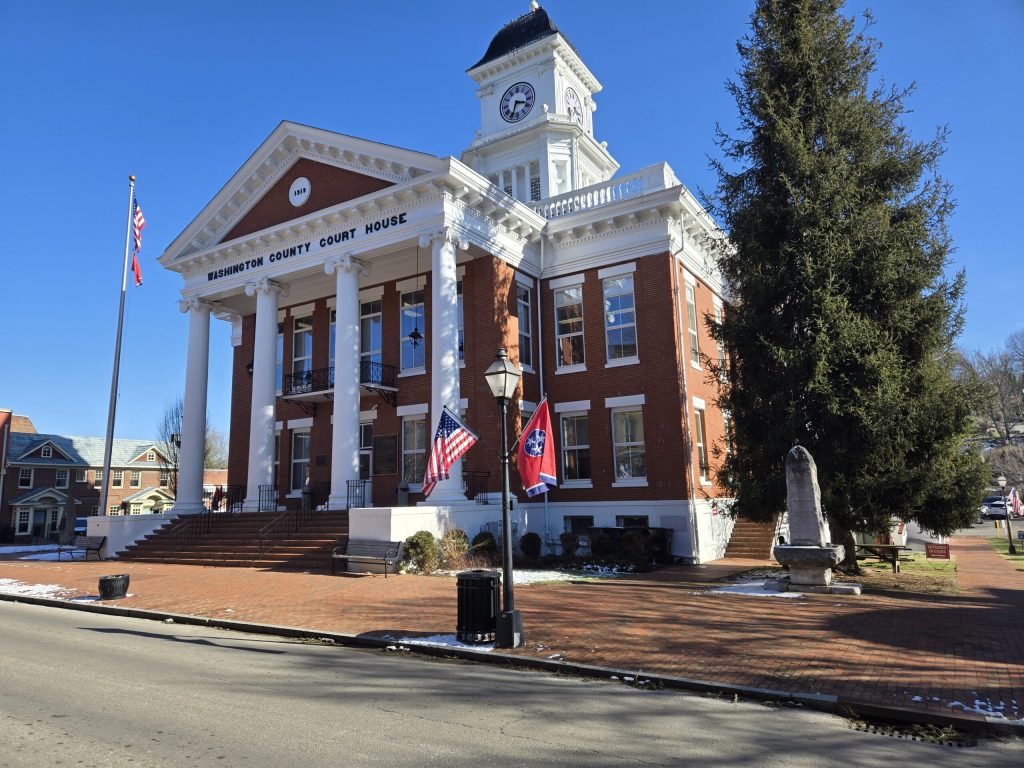
Trademarks are a cornerstone of business success, protecting brands, building consumer trust, and fostering business growth. In Tennessee, trademark law provides a robust system of registration and enforcement, ensuring businesses can safeguard their valuable intellectual property. Twisdale Law, PC is here to guide you through every step of the process. Why Choose Trademark Protection in Tennessee? Registering a trademark in Tennessee offers significant advantages for businesses: Public Notice: State registration puts others on notice of your ownership. Enforceable Rights: Registration provides a legal presumption of ownership and the right to take action against infringers. Simplified Proof: A certificate of registration serves as prima facie evidence in court. Cheaper than a Federal Mark: A trademark registration in Tennessee is substantially cheaper than a trademark registration with the U.S. Patent and Trademark Office. Understanding Tennessee Trademark Laws Tennessee’s trademark laws, codified in T.C.A. §§ 47-25-501 through 47-25-518, align closely with federal trademark standards, providing a strong framework for local protection. Courts may reference federal law as persuasive authority in interpreting state trademark issues. T.C.A. § 47-25-518.Key terms include: Trademark: Any word, name, symbol, or device used to identify and distinguish goods from others. Service Mark: Used to distinguish services rather than goods. Use: Marks must be used in commerce and not merely reserved for future use. Eligibility for Trademark Registration Not all marks qualify for registration. Tennessee law prohibits the registration of marks that: Are immoral, deceptive, or scandalous. Disparage individuals, institutions, or beliefs. Contain flags, insignias, or coats of arms. Are primarily descriptive, geographically descriptive, or surnames unless proven distinctive. Are confusingly similar to existing registered marks or marks in use. The Trademark Registration Process The registration process requires careful attention to detail, including: Application Requirements: Applicants must provide: Detailed information about the owner. Description and classification of goods/services. Dates of first use in commerce and in Tennessee. Specimens and Drawings: Submit examples of how the mark is used in commerce. Fees: $20 per class of goods or services, payable to the Secretary of State. Applications are reviewed by the Secretary of State, who may request amendments or disclaimers. Twisdale Law, PC ensures your application is thorough and complies with all requirements to avoid delays or denials. Maintaining Your Trademark Trademarks in Tennessee are valid for five years and can be renewed for successive five-year periods. Renewal requires a verified statement of continued use and a current specimen showing the mark in use. T.C.A. § 47-25-506. George P. Jaynes Justice Center 108 W Jackson Blvd #1210, Jonesborough, TN 37659 Classification and Assignments Tennessee classifies goods and services for administrative convenience, similar to the USPTO system. Multi-class applications incur fees for each class listed. Additionally, marks can be assigned or transferred, but such changes must be recorded with the Secretary of State to protect your rights. Enforcement and Remedies Trademark enforcement is critical to maintaining your brand’s value. Tennessee law provides remedies for: Infringement: Seek injunctions, damages, and potentially treble damages for willful violations. T.C.A. § 47-25-512. Dilution: Protect famous marks from unauthorized uses that dilute their distinctiveness. T.C.A. § 47-25-513. Fraudulent Registration: File claims against parties who submit false information during the registration process. Specimen Requirements Specimens must show actual use of the mark in commerce. Examples include: For Goods: Product packaging, tags, or labels. For Services: Advertisements, business cards, or signage. Why Work with Twisdale Law, PC? Trademark law is complex, but Twisdale Law, PC simplifies the process for businesses across Tennessee and surrounding regions. With years of experience in intellectual property law, our firm offers: Personalized advice tailored to your business needs. Comprehensive services, including registration, renewal, monitoring, and enforcement. Proven expertise in protecting trademarks from infringement and dilution. With an office located in Jonesborough, Tennessee, Twisdale Law, PC serves businesses across the Southeast, including Tennessee, North Carolina, and South Carolina. Whether you are a startup securing your first trademark or an established business defending your brand, Twisdale Law, PC is your trusted partner. Contact Twisdale Law, PC Today Don’t leave your brand unprotected. Trademarks are valuable assets that require proactive management and enforcement. Contact Twisdale Law, PC today to schedule a consultation and learn how we can help secure and defend your trademarks. Receive the latest news in your email Subscribe today You have been successfully Subscribed! Ops! Something went wrong, please try again. Table of Content Why Choose Trademark Protection in Tennessee? Understanding Tennessee Trademark Laws Eligibility for Trademark Registration The Trademark Registration Process Maintaining Your Trademark Classification and Assignments Enforcement and Remedies Specimen Requirements Why Work with Twisdale Law, PC? Contact Twisdale Law, PC Today Related articles All Posts Business Case Law Mergers & Acquisitions North Carolina Business Patents South Carolina Business Tennessee Business Trademark Patents Plant Patents: Protecting New Plant Varieties Under U.S. Law July 2, 2025 Business Understanding the Differences Between an S Corporation and a C Corporation July 1, 2025 South Carolina Business Understanding the South Carolina Solicitation of Charitable Funds Act: A Guide by Twisdale Law, PC June 23, 2025 Case Law When Reaction Goes Too Far? Ethan Klein’s Lawsuits Against Kaceytron and Denims Raise Big Questions for Streamers June 23, 2025 Patents The Patent Application Process June 18, 2025 South Carolina Business Navigating Mergers in South Carolina: A Guide by Twisdale Law, PC June 16, 2025 South Carolina Business Dissolving a Nonprofit Corporation in South Carolina: A Guide by Twisdale Law, PC June 9, 2025 Patents What Is a Patent? A Plain-English Guide for Small Businesses and Inventors June 3, 2025 South Carolina Business How to Establish a Nonprofit in South Carolina: A Guide by Twisdale Law, PC June 2, 2025
How to Challenge a Pending Trademark Application?

Introduction: Protecting Your Brand Through Trademark Challenges Trademarks are essential assets for businesses, providing unique identification for their goods and services in a competitive marketplace. However, trademark holders often face challenges when others seek to register similar marks or terms that could dilute their brand or cause consumer confusion. A cost-effective and efficient solution to these challenges is the letter of protest, a procedural tool offered by the United States Patent and Trademark Office (USPTO). By filing a letter of protest, trademark holders or concerned individuals can bring relevant evidence to the USPTO examining attorney’s attention, potentially leading to the rejection of problematic trademark applications without the need for costly litigation. Letters of Protest help trademark owners prevent conflicting registrations by submitting evidence to the USPTO before a mark is officially approved This process allows third parties to efficiently challenge potentially infringing trademarks without formal opposition proceedings It serves as a cost-effective strategy for protecting brand identity, maintaining exclusive rights, and preventing market confusion What Is a Letter of Protest? A letter of protest is a formal mechanism that allows third parties to submit objective evidence regarding the registrability of a mark in a pending trademark application. Unlike opposition proceedings, which are adversarial and involve significant costs, letters of protest are designed to aid the USPTO during the examination process. They are particularly effective in cases involving issues such as likelihood of confusion with existing marks, generic terms that should remain free for public use, or descriptive marks that fail to meet the distinctiveness requirements of trademark law. USPTO Requirements for Filing a Letter of Protest While letters of protest can be powerful tools, they must comply with stringent requirements to be considered by the USPTO. The Office will not consider a submission if it fails to comply with Rule 2.149, if the grounds for refusal have already been addressed by the examining attorney, or if a provision of the Trademark Act precludes acceptance. 37 C.F.R. §2.149(g). However, when a letter of protest meets the requirements of Rule 2.149, the Deputy Commissioner for Trademark Examination Policy may include the evidence in the application record, even if the examining attorney previously reviewed similar grounds. This is permitted in cases where the protestor presents significant additional evidence or where the examining attorney clearly erred in their consideration, potentially leading to a registration in violation of the Trademark Act or its rules. TMEP §1715. Common Grounds for Filing a Letter of Protest Letters of protest are most commonly used in specific situations. These include objections to the registration of generic or descriptive terms, challenges based on likelihood of confusion with federally registered marks or prior-pending applications, and requests to suspend prosecution due to pending litigation involving infringement claims. Other examples involve notifying the USPTO of inappropriate use of registered marks in application descriptions, improperly claimed specimens of use, or priority claims under international treaties. TMEP §1715.01. Such evidence must be objective, factual, and properly formatted to comply with USPTO requirements, ensuring it can assist the examining attorney in making an informed decision. TMEP §1715.05. The Cost-Effective Advantage of Letters of Protest One of the primary advantages of letters of protest is their ability to serve as a low-cost alternative to litigation. Filing a letter of protest can address potential registration issues early in the process, saving trademark holders significant time and resources. By presenting clear and objective evidence to the USPTO, a third party can ensure that the integrity of the trademark system is upheld while avoiding the complexities of court proceedings. This process is especially valuable in protecting industries from the monopolization of generic or descriptive terms, ensuring a fair and competitive marketplace. Step-by-Step Guide to Filing a Letter of Protest Filing a letter of protest involves several key steps: 1. First, the protestor must identify valid grounds for protest, such as evidence that the mark is generic, descriptive, or likely to cause confusion with an existing registration. 2. Next, they must gather objective evidence to support their claims. Examples of acceptable evidence include screenshots, copies of relevant trademark registrations, or independent examples of the term’s generic use. The submission must then be filed through the USPTO’s online Trademark Electronic Application System (TEAS), adhering to strict formatting and timeliness requirements, such as filing within 30 days of the application’s publication. TMEP §1715.02. The USPTO’s Deputy Commissioner reviews the submission to determine whether the evidence complies with applicable rules. If compliant, the evidence is included in the application record for the examining attorney’s consideration. TMEP §1715.03. Why Professional Assistance Matters While letters of protest are a powerful tool, they require meticulous preparation to meet the USPTO’s exacting standards. Non-compliant submissions are rejected outright, leaving no recourse for the protestor (TMEP §1715.07). This is why seeking professional assistance can be critical. Experienced trademark attorneys understand the nuances of the process, ensuring that the evidence provided is both relevant and persuasive. At Twisdale Law, PC, we help clients identify the most effective grounds for protest, compile compelling evidence, and navigate the procedural complexities to maximize the likelihood of a favorable outcome. Conclusion: A Strategic Tool for Trademark Protection In conclusion, letters of protest offer trademark holders a strategic, cost-effective method to address problematic trademark applications before they are registered. By acting early and leveraging this procedural tool, businesses can protect their brand identities while avoiding the financial and legal burdens of litigation. For tailored advice and professional assistance in filing letters of protest, consult with Twisdale Law, PC, where we are committed to helping clients safeguard their valuable trademarks and maintain a competitive edge. Receive the latest news in your email Subscribe today You have been successfully Subscribed! Ops! Something went wrong, please try again. Table of Content Introduction: Protecting Your Brand Through Trademark Challenges What Is a Letter of Protest? USPTO Requirements for Filing a Letter of Protest Common Grounds for Filing a Letter of Protest The Cost-Effective Advantage of Letters of Protest Step-by-Step Guide to Filing a Letter of Protest Why Professional
The Importance of Trademark Registration: Federal vs. State Options

When it comes to protecting your business’s brand, registering a trademark is one of the most crucial steps. However, deciding whether to pursue a federal or state trademark can significantly impact your business strategy. Both options have their pros and cons, and the best choice depends on your specific needs and goals. The Risks of Not Registering Federally Consider the cautionary tale of Gene Hoots, who operated a successful restaurant called Burger King in Mattoon, Illinois. While his business thrived locally, a Florida-based company also using the name “Burger King” federally registered the trademark. This led to a contentious legal battle, culminating in the landmark decision of Burger King of Florida, Inc. v. Hoots, 403 F.2d 904 (7th Cir. 1968). The court’s decision restricted Hoots’s Burger King to a 20-mile radius around Mattoon, while the Florida-based chain expanded nationwide. Today, the fast-food giant operates hundreds of locations, while Hoots’s restaurant remains a single local operation. This case underscores the importance of federal trademark registration for businesses aiming to grow beyond a localized area.Failing to register a trademark federally can: Limit your ability to expand your business. Increase the risk of costly litigation. Restrict your rights to enforce your trademark in other regions. Contact Twisdale Law, PC for Your Trademark Needs Today! When State Trademarks Might Be a Better Option Despite the advantages of federal registration, there are instances where a state trademark might be more suitable for your needs. Key reasons to consider state registration include: Lower Cost: State trademark registration is often more affordable than federal registration, making it an attractive option for small businesses or startups with limited budgets. Faster Process: State registrations typically have shorter processing times, allowing you to secure your rights more quickly. State-Specific Remedies: Some states offer unique legal remedies, including the possibility of recovering attorneys’ fees in infringement cases, which may not always be available under federal law. State-Specific Registrability: Some states allow registration of marks for goods or services that federal law does not currently protect, such as those related to cannabis. State trademarks are especially beneficial if your business operates exclusively within a single state or if your expansion plans are localized. However, it’s important to note that state trademarks do not offer the nationwide protection that federal registration provides. What Should You Do? The decision to register a trademark at the state or federal level depends on your business’s needs and long-term goals. For local businesses with no immediate plans for regional or national expansion, state trademarks might be a practical and cost-effective solution. On the other hand, businesses with aspirations to grow beyond state borders should strongly consider federal registration. Why Work with an Attorney? Whether you choose to register your trademark at the state or federal level, consulting with an experienced attorney is crucial. At Twisdale Law, PC, with offices in North Carolina, South Carolina, and Tennessee, we have the expertise to guide you through the trademark registration process. We can help you: Determine whether a state or federal trademark aligns better with your business strategy. Conduct comprehensive trademark searches to minimize the risk of conflicts. File and navigate the registration process efficiently. By partnering with us, you can avoid costly mistakes and ensure that your trademark protects your business effectively. Who Should Help You Register a Trademark? While U.S. citizens can apply for trademarks without legal assistance, it’s generally not recommended. Navigating the trademark registration process can be as complex as representing yourself in court. Without expertise, applicants often make errors that require costly fixes, far exceeding the cost of hiring an attorney from the outset. At Twisdale Law, PC, we have experience in assisting clients with trademark registration. From conducting thorough trademark searches to preparing and filing your application, our attorneys are here to ensure a smooth and successful process. By investing in professional legal assistance, you’re investing in the long-term security of your brand and business. For non-U.S. citizens, the USPTO requires representation by a licensed U.S. attorney. Our firm is ready to guide international clients through this process with expertise and efficiency. Take the Next Step Protecting your brand is essential to your business’s success. Contact Twisdale Law, PC today to discuss your trademark needs. We’ll work with you to determine the best strategy for safeguarding your brand and ensuring your business’s growth. Receive the latest news in your email Subscribe today You have been successfully Subscribed! Ops! Something went wrong, please try again. Table of Content The Risks of Not Registering Federally When State Trademarks Might Be a Better Option What Should You Do? Why Work with an Attorney? Who Should Help You Register a Trademark? Take the Next Step Related articles All Posts Business Case Law Mergers & Acquisitions North Carolina Business Patents South Carolina Business Tennessee Business Trademark Patents Plant Patents: Protecting New Plant Varieties Under U.S. Law July 2, 2025 Business Understanding the Differences Between an S Corporation and a C Corporation July 1, 2025 South Carolina Business Understanding the South Carolina Solicitation of Charitable Funds Act: A Guide by Twisdale Law, PC June 23, 2025 Case Law When Reaction Goes Too Far? Ethan Klein’s Lawsuits Against Kaceytron and Denims Raise Big Questions for Streamers June 23, 2025 Patents The Patent Application Process June 18, 2025 South Carolina Business Navigating Mergers in South Carolina: A Guide by Twisdale Law, PC June 16, 2025 South Carolina Business Dissolving a Nonprofit Corporation in South Carolina: A Guide by Twisdale Law, PC June 9, 2025 Patents What Is a Patent? A Plain-English Guide for Small Businesses and Inventors June 3, 2025 South Carolina Business How to Establish a Nonprofit in South Carolina: A Guide by Twisdale Law, PC June 2, 2025
Understanding Trademarks: A Guide by Twisdale Law, PC

What Are Trademarks? Trademarks are words, phrases, symbols, designs, or any combination thereof used to distinguish the source or origin of goods from those of others. Service marks, on the other hand, are used to indicate the source or origin of services. However, in everyday language, both trademarks and service marks are commonly referred to as simply “trademarks.” The primary purposes of trademarks are: To inform consumers about the origin of the products or services they are using, enabling them to make informed choices. To protect businesses from counterfeiters or unauthorized users who could harm their reputation or profit from their established goodwill. Contact Twisdale Law, PC for Your Trademark Needs Today! Why Are Trademarks Important? Trademarks play a crucial role in safeguarding both consumers and businesses. For consumers, trademarks ensure they can identify and rely on trusted brands. For businesses, trademarks serve as a protective shield for their reputation and an asset to their commercial success. Are you or your business using a mark? If so, it’s worth considering whether that mark should be protected through registration. Why Should You Register a Trademark? Imagine you are a roofer with a stellar reputation in your community. One day, someone else starts operating under your name or using a similar mark. If their work is substandard, your customers may mistakenly associate their poor-quality services with your brand, damaging your reputation and your bottom line. Registering a trademark helps prevent such scenarios. It: Confirms to consumers that your business is authentic and reliable. Grants you the legal tools to stop others from using your brand without permission. When Should You Register a Trademark? You can apply for trademark protection with the U.S. Patent and Trademark Office (USPTO) as soon as you begin using a mark in commerce. Even if your business is still in the planning stages, you can file an “intent-to-use” application to secure rights for future use. Many states also offer their own trademark registration processes, but the requirements and protections differ from those provided by the USPTO. Federal registration typically offers broader protection across the United States. Who Should Help You Register a Trademark? While U.S. citizens can apply for trademarks without legal assistance, it’s generally not recommended. Navigating the trademark registration process can be as complex as representing yourself in court. Without expertise, applicants often make errors that require costly fixes, far exceeding the cost of hiring an attorney from the outset. At Twisdale Law, PC, we have experience in assisting clients with trademark registration. From conducting thorough trademark searches to preparing and filing your application, our attorneys are here to ensure a smooth and successful process. By investing in professional legal assistance, you’re investing in the long-term security of your brand and business. For non-U.S. citizens, the USPTO requires representation by a licensed U.S. attorney. Our firm is ready to guide international clients through this process with expertise and efficiency. Protect Your Brand Today Whether you’re an established business or a startup, trademark registration is a critical step in protecting your intellectual property and maintaining your competitive edge. Contact Twisdale Law, PC, with offices in North Carolina, South Carolina, and Tennessee to learn more about how we can assist you in safeguarding your brand. Receive the latest news in your email Subscribe today You have been successfully Subscribed! Ops! Something went wrong, please try again. Table of Content What Are Trademarks? Why Are Trademarks Important? Why Should You Register a Trademark? When Should You Register a Trademark? Who Should Help You Register a Trademark? Protect Your Brand Today Related articles All Posts Business Case Law Mergers & Acquisitions North Carolina Business Patents South Carolina Business Tennessee Business Trademark Patents Plant Patents: Protecting New Plant Varieties Under U.S. Law July 2, 2025 Business Understanding the Differences Between an S Corporation and a C Corporation July 1, 2025 South Carolina Business Understanding the South Carolina Solicitation of Charitable Funds Act: A Guide by Twisdale Law, PC June 23, 2025 Case Law When Reaction Goes Too Far? Ethan Klein’s Lawsuits Against Kaceytron and Denims Raise Big Questions for Streamers June 23, 2025 Patents The Patent Application Process June 18, 2025 South Carolina Business Navigating Mergers in South Carolina: A Guide by Twisdale Law, PC June 16, 2025 South Carolina Business Dissolving a Nonprofit Corporation in South Carolina: A Guide by Twisdale Law, PC June 9, 2025 Patents What Is a Patent? A Plain-English Guide for Small Businesses and Inventors June 3, 2025 South Carolina Business How to Establish a Nonprofit in South Carolina: A Guide by Twisdale Law, PC June 2, 2025